
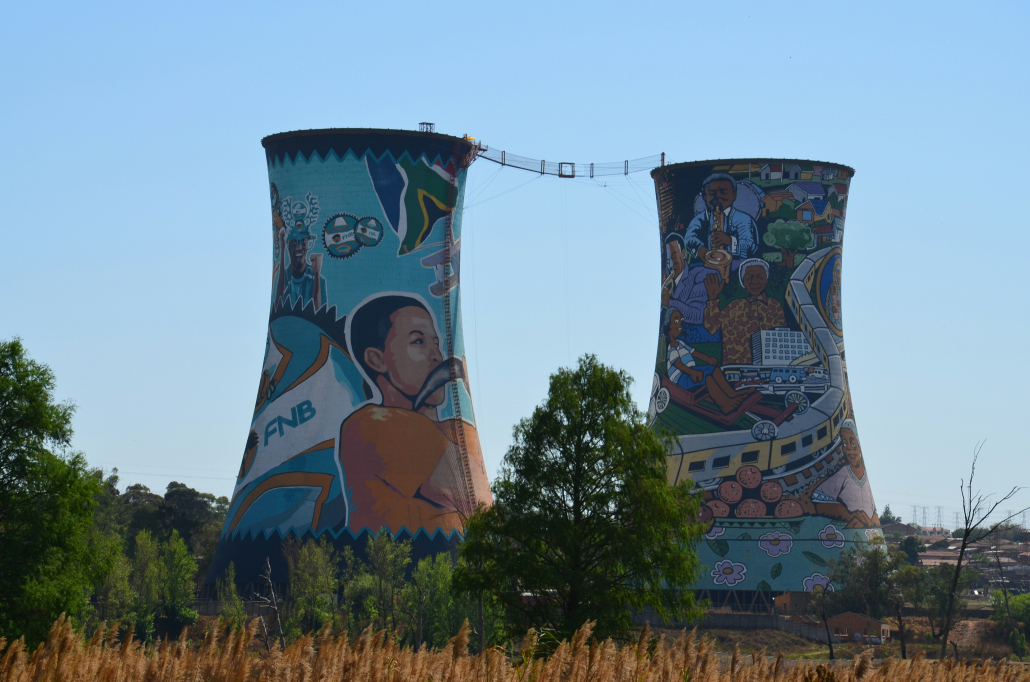
INFUSED with the history of the struggle against apartheid and abuzz with the energy of the City of Gold, Soweto is a must-see. Soweto is the most populous black urban residential area in the country, with Census 2001 putting its population at close to a million. Thanks to its proximity to Johannesburg, the economic hub of the country, it is also the most metropolitan township in the country – setting trends in politics, fashion, music, dance and language.
Soweto may sound like an African name, but the word was originally an acronym for “South Western Townships”. A cluster of townships sprawling across a vast area 20 kilometres south-west of Johannesburg, Soweto was, from the start, a product of segregationist planning.
A Melting Pot of Cultures
Soweto is a melting pot of South African cultures and has developed its sub-cultures, especially for the young. Political history has guaranteed it a place on the world map. Those who know little else about South Africa are often familiar with the word “Soweto” and the township’s significance in the struggle against apartheid.
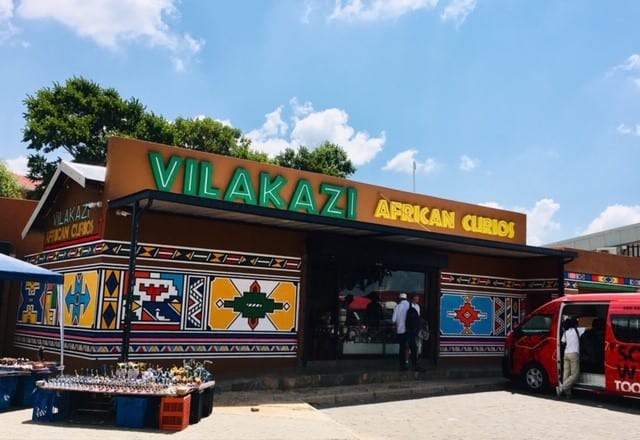
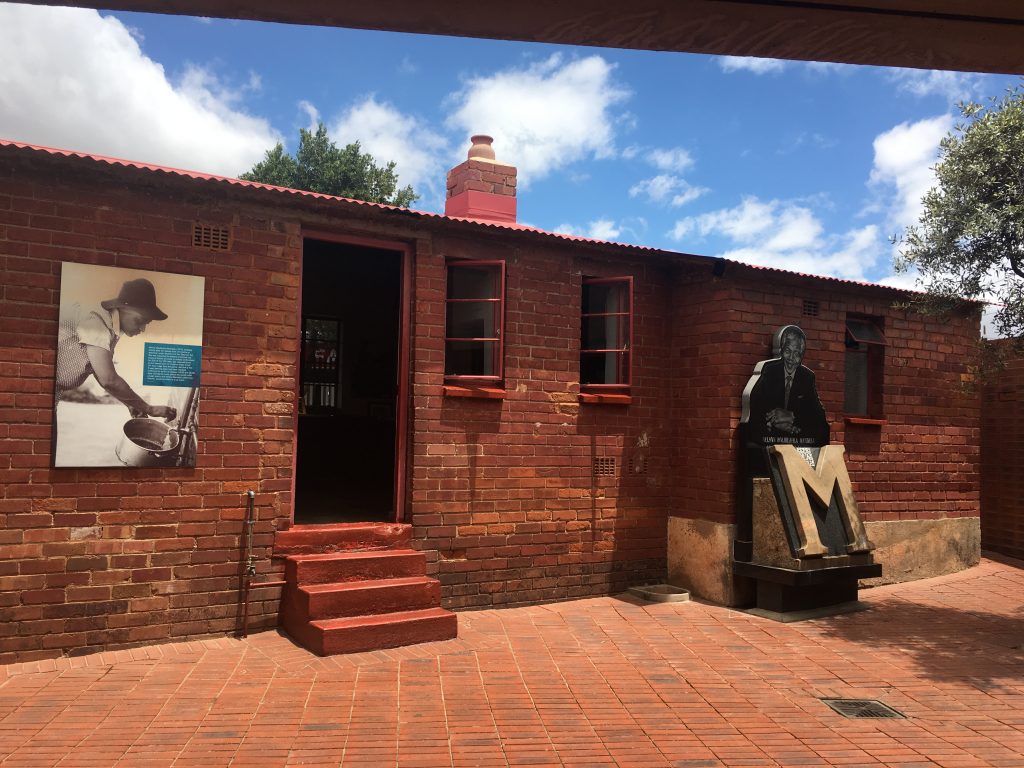
The township boasts one of South Africa’s most famous streets – Vilakazi Street – the only street in the world to have housed two Nobel Prize winners (Nelson Mandela and Archbishop Emeritus Desmond Tutu). The Vilakazi street precinct in the suburb of Orlando West has become a major tourist attraction, with the late Nelson Mandela’s home having been made into a museum.
Vilakazi Street
We will visit the Mandela House, Winnie Mandela House and the Tutu House on Vilakazi Street in Soweto.
The Mandela House was built in 1945, part of a Johannesburg City tender for new houses in Orlando. Nelson Mandela moved here in 1946 with his first wife, Evelyn Ntoko Mase. They divorced in 1957, and from 1958 he was joined in the house by his second wife, Nomzamo Winifred Madikizela (Winnie).
The tour includes a visit to Winnie Madikizela-Mandela’s Soweto Mansion – with its high walls, security cameras and bulletproof windows.
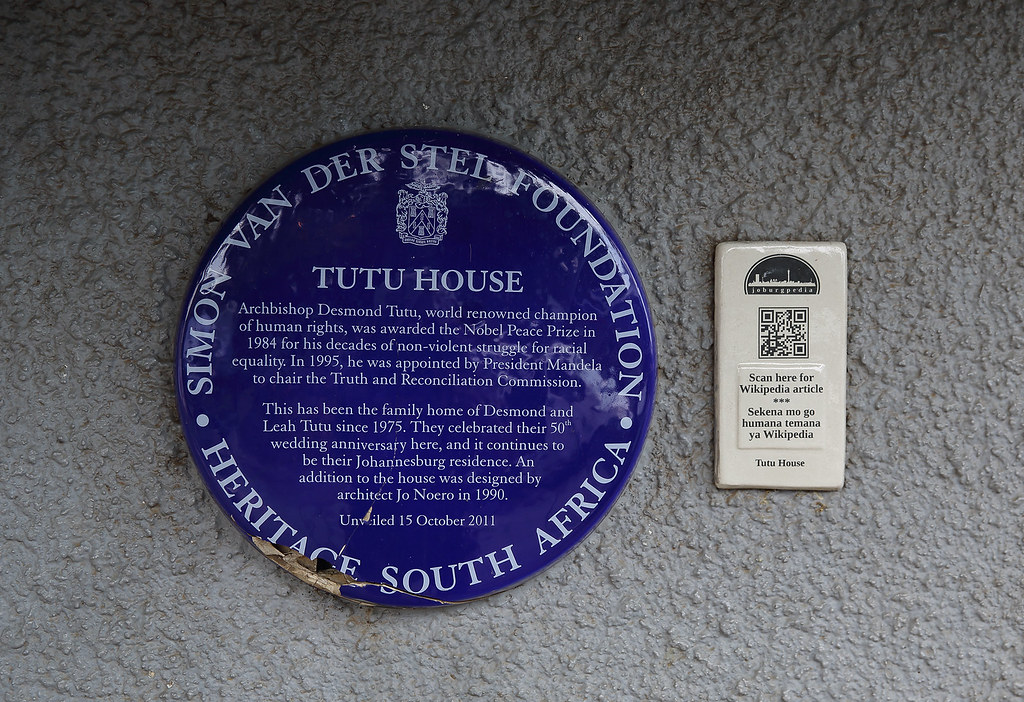
The Tutu House is registered as part of Johannesburg’s historical heritage. Desmond Tutu and his family moved into this house in 1975. During the time that Tutu lived here, he became a Nobel Laureate for his struggles against Apartheid and he led the Truth and Reconciliation Commission for President Nelson Mandela.

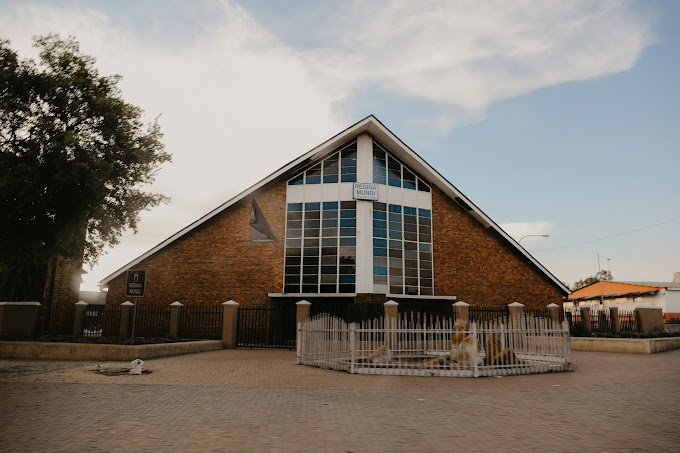
Oldest Catholic Church in Soweto
Soweto hosts some of the most historic sites in South Africa. One such place is Regina Mundi, the largest Roman Catholic church in the country.
It was built in 1961 and officially opened on 24 July 1962 by Johannes Baptista Montini, a cardinal of Milan. Regina Mundi engraved its name in the country’s history books during apartheid, when it opened its doors to anti-apartheid groups and provided shelter to activists.
Despite the massive renovations that the church has undergone, it has managed to retain key historical attributes that commemorate the role it played during the struggle. The damage caused by bullets on the furniture, symbolic ornaments and religious representations are still visible.